Railway line rehabilitation
Szeged-Szabadka-Baja
The purpose of the project was to develop a railway line running in Serbian and Hungarian territory, also affecting Romania and to a smaller extent Croatia too. The nearly 100 km long railway line connects important cities in the border areas of the two countries.
Rehabilitation of the Szeged-Subotica (Szabadka)-Baja cross-border railway line
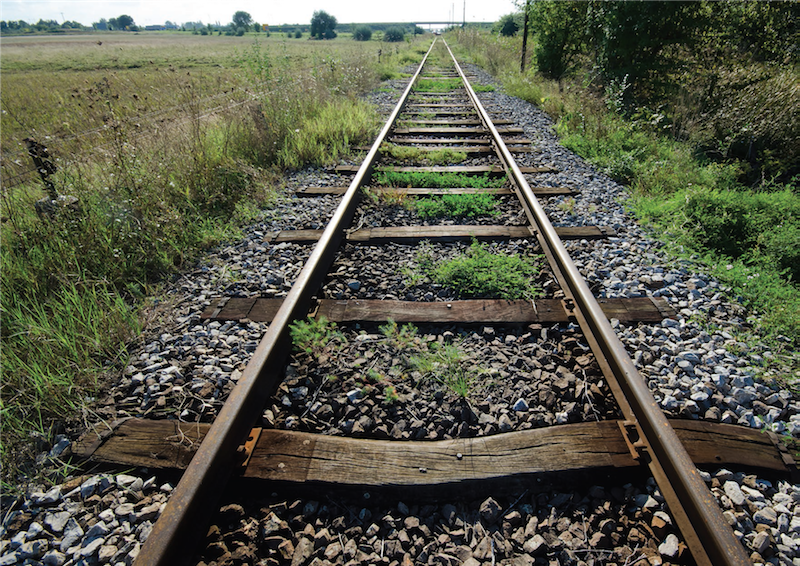
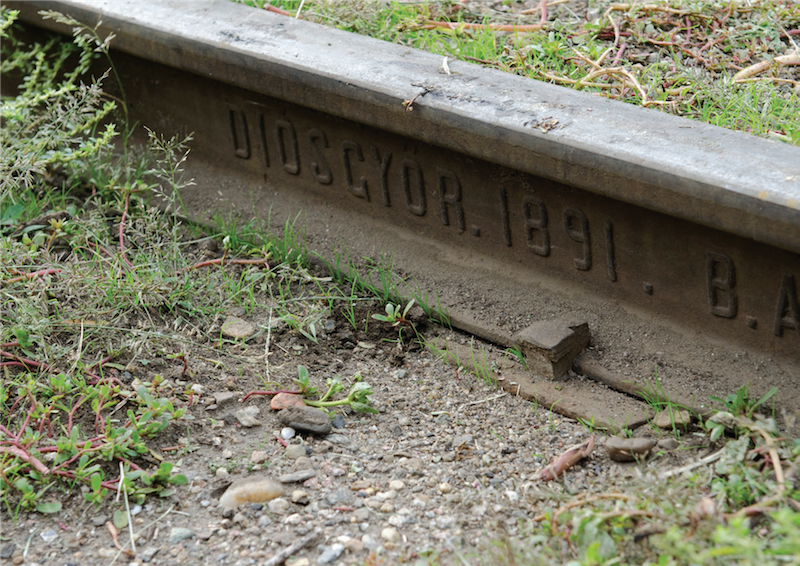
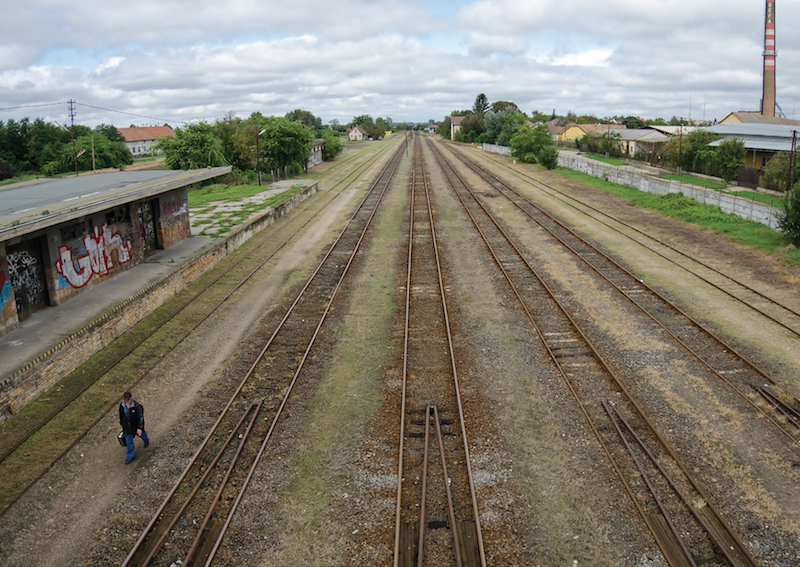
The purpose of the project was to develop a railway line running in Serbian and Hungarian territory, also affecting Romania and to a smaller extent Croatia too. The nearly 100 km long railway line connects important cities in the border areas of the two countries. The infrastructure of the historic railway line is now severely damaged or dismounted. The new state-of-the-art track, designed to be built between Szeged and Subotica on the currently missing stretch, will provide an opportunity to direct rail connection between the cities and improve the border traffic between the two countries. The restoration of the Subotica-Baja railway section will contribute to strengthening the economic relations of the Bácska region across the national border. The service contract was awarded by public procurement to the consortium of the Serbian Ces.COWI and the Hungarian TRENECON Kft., commissioned by the Government of the Autonomous Province of Vojvodina. The assignment has been carried out by the Consortium on the basis of an option proposed by an earlier feasibility study. The work under the Hungarian-Serbian IPA Border Cooperation Programme with EU co-financing included the exercises as follows:
A detailed feasibility study has been developed on the construction of the Szeged-Röszke-Horgos-Subotica (Szabadka)-Csikéria-Bácsalmás-Baja railway line. A traffic counting was carried out in the framework of the study plan and following a thorough status assessment the future traffic development was forecasted by modelling. Railway design and elaboration of the technical content were carried out at study design level for several variants. We examined the expected environmental impacts of the development and carried out a cost-benefit analysis. The task included institutional analysis and risk assessment.
On the basis of the concepts set out in the study, we delivered the complex railway construction permit and tender designs for the Szeged-Röszke-Horgos-Subotica (Szabadka) line. The Hungarian section designs were prepared by TREN ECON while the Serbian section was designed by Ces.COWI. The design exercise covered the railway track (with sub-and-body structures), electrification of the single track railway section, the modernisation of the entire signalling system, the telecommunications components, and the redesign of the rail-road level and grade-separated crossings, and that of the parallel roads.
As part of the work to obtain the environmental permit, our experts have also prepared an Environmental Impact Assessment.
The front-end engineering and design of the infrastructure development will enable construction of the single-track railway section with geometry suitable for 160 km/h design speed and parameters corresponding to the interoperability requirements for European railway lines.
Images: the publication “Preparation of the technical documentation for the Szeged – Röszke – Horgos -Subotica railway line and technical design of the Subotica – Csikéria – Bácsalmás – Baja railway line”
Galéria